

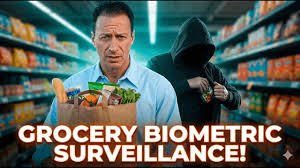
Creep’ in surveillance term, refers to the gradual expansion of surveillance measures beyond their original purpose, often leading to invasive data collection and monitoring. This phenomenon is known as ‘function creep’ or ‘surveillance creep’ benefiting intrusive applications.
Food Stuff supermarkets[i] predominately in the North Island and the big box retailer Bunnings have used crime statistics gathered over the last five years to justify the scaling up of surveillance and more particularly FRT Facial Recognition Technology on their customers. It is claimed that ‘crime statistics’ took an apparent turn for the worse in late 2019 in Aotearoa New Zealand reaching what some have called a historical peak in 2023 [ii].
Are mega supermarkets truly the crime-ridden hellholes they portray, are we putting ourselves and our children at risk of violence during seemingly innocent activities like grocery shopping? Or is this merely a case of smoke and mirrors? What happened to community policing and charitable organizations that would typically address these concerns? Supermarkets advocating for facial recognition technology suggest that constant surveillance of shoppers is the quick solution to these issues.
June 2025 saw The Office of the Privacy Commissioner, OPC, release a report[iii] on the trial that took place in February to September 2024 by Food Stuffs North Island[iv] involving 25 of their supermarkets using FRT and scanning over 225 million faces. Whilst the OPC initially stated that the scanning of every individual entering a store was inherently invasive their report effectively set a benchmark for other corporations, giving the go ahead for mass surveillance which entails adopting technology that harvests biometric data; primarily yours. The report has raised considerable concern amongst individuals and other organisations, those concerns are raised here and you can read the report by the OPC below.
The trial conducted by FSNI, as highlighted by the Office of the Privacy Commissioner (OPC), revealed nine potential misidentification incidents and at least one complaint from a woman regarding wrongful removal and discrimination in December 2024. The report was published on June 4, 2025. Notably, on page 56 of the OPC report, it was found that there were 117 instances where alert verification failed out of a total of 1,736 alerts, and 13 cases where staff mistakenly approached individuals believing they were suspects.
The methodology utilized in this trial was designed to comply with privacy legalities; however, according to a lawyer from the NZ Council for Civil Liberties, this methodology was altered during the trial, rendering any claims of accuracy dubious and suggesting that its continued use is unlawful. It is also important to note that the technology employed by FSNI was intended to serve a dual purpose: to reduce harm and prevent theft.
According to OPC requirements, this technology should only be used when no less intrusive options are available. The CCL lawyer pointed out there was a lack of data or means to determine whether a less intrusive option, such as non-FRT, was available or effective after the supermarket management altered the methodology. However, further examination reveals that a less intrusive option was indeed available.
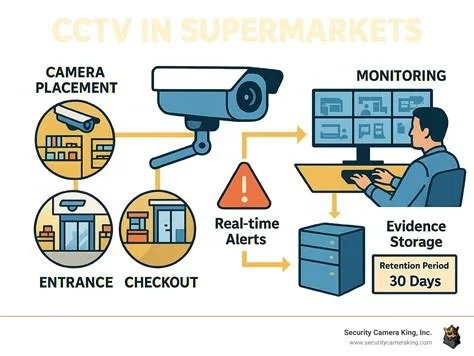
Surveillance in supermarkets is not a new phenomenon, nor are cameras. What were once seen as innocent markers of modernity—supermarkets included—have now become synonymous with a troubling loss of privacy[v] and ethics[vi]. While some may dismiss the surveillance conducted by these "creeps in technology" as harmless, others have raised valid concerns. It may surprise many, especially younger generations, that resistance to surveillance and technology has an extensive history[vii].
Somewhat of irony is the demolition[viii] of the Waihopai spy base this year, a top-secret U.S. facility located in Blenheim, deemed “virtually obsolete” due to the emergence of more advanced surveillance methods. In the 1980s, the Green Party leaders[ix] of the 1980’s were pioneers in exposing these concerns[x], echoing the mantra "Big Brother[xi] is watching you," a phrase immortalized by George Orwell. Their warnings were prescient, culminating in the overwhelming surveillance[xii] landscape we navigate today. Those brave individuals who advocated for the closure of this Five Eyes [xiii] network spy base were champions of crucial social and environmental issues, perhaps ahead of their time. Today, we witness cows monitored and equipped with GPS collars[xiv] and the diminishing need for fences, while we have grown accustomed—perhaps too comfortably—to being monitored by cameras in our own spaces like cars, parks, and even through our phones and watches. If this is adaptation, it is clear that technology has transitioned from a helpful servant to a potentially dangerous master[xv]. The apathy that many of us have around these surveillance techniques, some of which are not optional, plays perfectly into the hands of those eager to integrate and enforce this invasive technology into our daily lives.
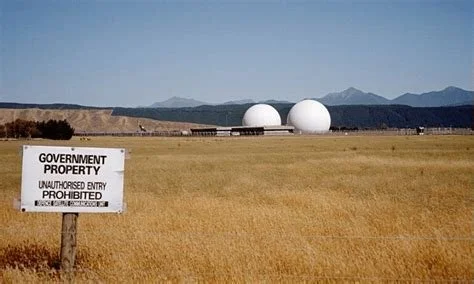
Many of us often find our way of life heavily influenced by others, creating a significant conflict between compliance and resilience when things start to go awry. The comfort we’ve grown accustomed to may become unsettling when we realize that our connection to surveillance technologies—such as spy domes, CCTV cameras, and facial recognition technology—might mean we are less in control of our destinies than we like to think. [xvi] However, a small yet important group has begun to raise critical questions about covert mandatory surveillance and the collection of information without our consent, [xvii] nudging us to wonder for what purpose this data is being gathered. This is an issue that deserves our attention.
The Privacy Act was established to protect those who feel vulnerable or wronged by invasive monitoring. Unauthorized surveillance constitutes a breach of trust and undermines the very laws designed to safeguard us. In this case, it appears that this breach is indeed occurring.
Facial Recognition Technology, also known as Biometric ID, [xviii] is utilized by numerous organizations across the country[xix].
While the use of surveillance by police and airports may be justified within those authoritative contexts, its implementation in community-based retail outlets, which primarily offer essential goods, appears excessive. The replacement of locally owned kiwi corner grocery stores with corporate multinational chains has led to an environment where tracking and monitoring overshadow the humane atmosphere that should benefit both shoppers and employees. Despite the claims of unprecedented violence in retail, to the contrary, New Zealand does not resemble the crime-ridden areas of Somalia, Syria, or Afghanistan, nor does it mirror the Bronx of the 1970s nor should it start to resemble China’s Social Credit system, where ethical behaviour is incentivized through data collection[xx]. So, why the need for such heavy-handed measures? [xxi]

Critics claim, including the OFC, that the regulations drawn up to position these surveillance technologies in our society are woefully inadequate in ensuring individuals information is safe leaving current regulations and privacy laws in place inadequate for purpose. [xxii] Despite the concerns raised by the Office of the Privacy Commissioner ones that if addressed might ensure a strict framework to prevent abuse of individuals privacy, the Government looks to be plunging headfirst into implementing the means to enable the use of bio metric ID. The Government initiative cutely called Kiwi Faces [xxiii] which is a convenience proof of age bio metric app, aimed at the younger tech savvy demographic, despite the acknowledged technological problems[xxiv] is one example. Even the European Digital Rights bill [xxv] exposes the undermining of the rights to privacy. These failures have been clearly argued in the article by New Zealand Council for Civil Liberties who imply that the OPC is grossly inadequate in their report on the use of Facial Recognition Technology by Food Stuffs North Island.
The reasons cited for the unprecedented levels of surveillance by supermarkets and big box stores often sound sincere, such as preventing fraud, scams, and ensuring the safety of staff. [xxvi] However, many argue that these justifications obscure a profit-driven agenda. Ultimately, everything in this scenario revolves around money. Retailers have their own jargon for sales losses and the various ways they occur, but it all culminates in a loss of profit for businesses. Scams present inconveniences for both parties involved and highlight the shortcomings of digital currency. Using the analogy of "killing two birds with one stone," digital ID, biometric ID, or facial recognition software is promoted as a means to enhance security for all users in financial transactions. While this perspective makes sense from a monitoring standpoint, critics rightly point out that it makes us entirely dependent and vulnerable to potential system failures, political instability, and loss of independence. This concern becomes particularly relevant as we move toward a cashless society and phase in digital currency to replace cash. The method of payment, whether cash or digital, is connected to surveillance, yet it often feels secondary to the broader issue at hand. This raises important questions: Could the information collected be repurposed for other uses, and how would we even know?
Even with strict laws, and regulations and vigilant safety checks to ensure our information remains in good hands, the question as to what is the actual point of collating data remains unclear. Individuals once they become data effectively become a commodity, one that corporations decide the value of, your identification, your bio metric ID, that which makes you, you, enables them to sell that information on to digital corporations or provide it to authorities that may request it without your knowledge. In the extreme they can shut you out of the system or the shop, like they do in China or and exclude you entirely because you don’t comply for whatever reason.[xxvii]
Any government[xxviii]legislation designed to protect our dignity and privacy, regardless of how mundane it may seem, is fraught with weaknesses. We find ourselves in a dystopian sci-fi scenario where our personal data can be commodified, much like body parts. The algorithms[xxix] derived from vast amounts of data, fueling the energy-hungry data centers [xxx]emerging around us[xxxi], shape our purchasing decisions and much more, engaging us in a sophisticated and cunning psychological game[xxxii]. A fervor akin to a gold rush has gripped facial recognition and global biometric companies[xxxiii], all claiming to enhance transaction security and ensure our safety, thereby transforming financial markets and driving changes across various industries. It is astonishing to consider that a consumer's biometric identity holds such immense value. The ability to predict our shopping habits and spending patterns serves as a capitalist retailer's wet dream and potentially diminishes our autonomy and choices creating a nightmare scenario. Is there something vital we are not being told?
But let’s get back to how we got into this predicament in the first place. Let’s dissect the bullshit as it has been called less eloquently by others[xxxiv]. It should be little comfort to know that we as in New Zealand, share this concern around the legality and ethics of FRT as do others in the wider world. Our close neighbour Australia’s Privacy Commissioner for example raised concerns in 2024 with FRT and its use in Bunnings and Kmart, claiming the privacy of hundreds of thousands of customers had been interfered with. [xxxv]
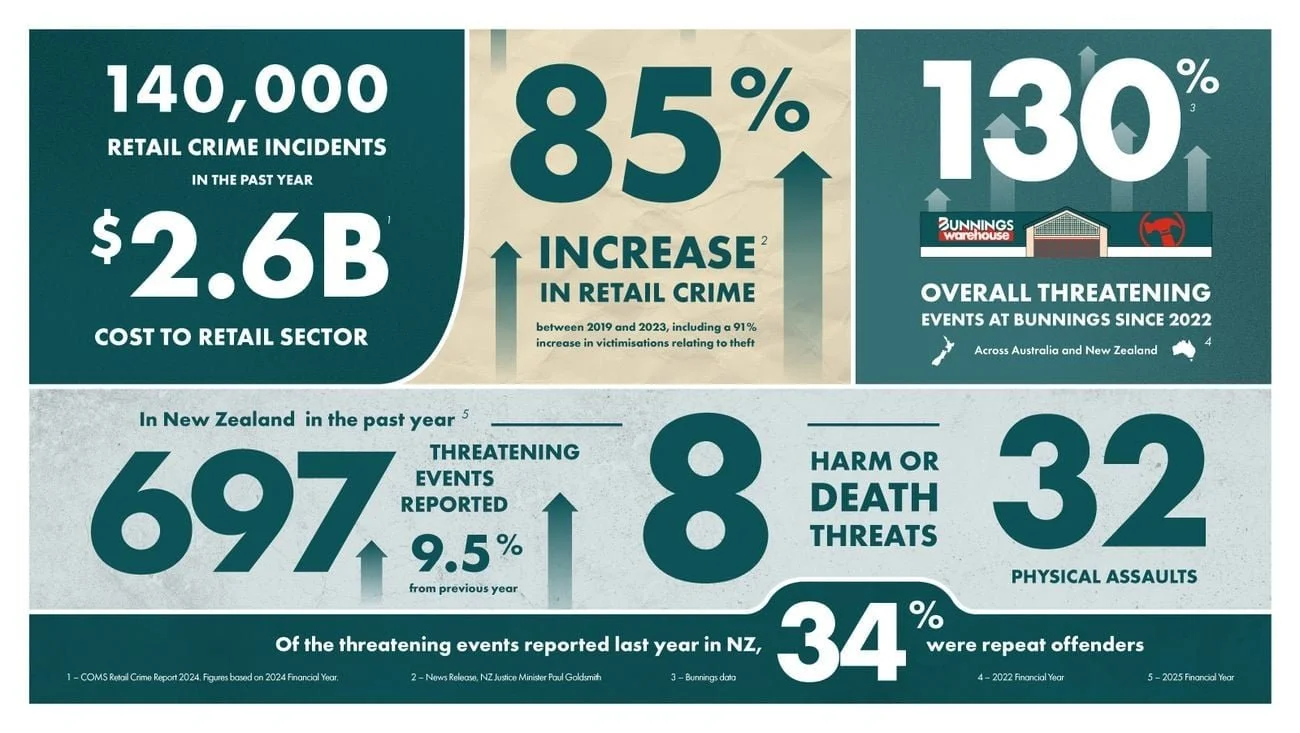
Do they call this disaster marketing.
Those crime statistics used to justify the all-out use of Facial Recognition Technology in a once benign and unassuming place of a Supermarket, cover a wide retail base. The retail crime relating to alarming Bunnings advertorial is it has been claimed, largely if not entirely from their own records. Police do not specify type of retail crime in their retail crime statistics i.e. supermarket crime is not differentiated from general retail crime; hence the percentage that relates to retail theft is not clearly defined. This is again confirmed in the 2022 ANZ Retail Crime Study[xxxvi] undertaken in person, online and using Police statistics and often used in support of these crime statistics. The claim was made that the brunt of crime was experienced by Supermarkets and Department stores; point being here, no differentiation was made between the two categories. Customer theft was stated as the largest category of crime-related loss (53%), followed by employee theft who are incidentally subject to extreme surveillance whilst on the job (24%), customer fraud (14%) and vendor fraud (8%), and Supermarkets are not singled out in these figures. According to the statistics in the report, fresh meat, facial creams and tobacco were the main items stolen and concealing these on one’s person was the most common way of doing so. Presumably the cigarette crimes refer to Australian figures as New Zealand does not permit cigarette sales in this country. This small yet significant anomaly draws questions around accuracy of the Australian and New Zealand statistical count. Internal theft i.e. by staff, was also part of these statistics and made up around 20 but we don’t clearly know what category of retail this applies to. Crime statistics that are combined as one category leave an unclear picture of the real numbers, and in this case when claiming Supermarket crime has increased, it is extremely relevant.
The ANZ Study points out the possible confusion of this omission even though it fails to solve it [xxxvii]. Department stores it has been claimed, also typically face higher rates of organized retail crime and theft of higher‑value items, while supermarkets experience and report more often low‑value, opportunistic theft. It goes without saying that traditional methods of combating most of these crimes are normally dealt with by the local Police who in New Zealand have proved most effective and been awarded for their effort.[xxxviii]
OPC’s inquiry report into the Fresh Choice trial of FRT stated in paragraph 238 that “covert use of FRT is inherently unfair and intrusive”. The instore public opinion survey conducted Stuffs North Island stated that the majority of people responding to the survey broadly support the use of facial recognition by Food Stuffs, yet the OPC report stated that the ‘majority of people preferred more security staffing to the FRT in principle’.[xxxix] That is quite a contrast to what Food Stuffs have been reporting and of course the wording of questions often allows for an entirely different interpretation as to what is really being said or answered. Incidentally the survey was not made available in the appendix to this inquiry report published by the OPC so it cannot be scrutinised.
The OPC also concluded that the trial complied with the Privacy Act 2020, but only because of the privacy protections in place, including: no centralised surveillance: yet it is understood that Controlled Sharing of specific information to other store managers and corporate security is undertaken. This implies that it is not technically FRT being shared but the same information shared manually. This would mean that they have broadened their surveillance network, which is contrary to the protection of the Privacy Act 2020, however the legality has yet to be tested. Transparency was also critiqued; Foodstuffs did little to inform customers of any surveillance and this remains the case today aside from the posters at point of entry which are hardly that obvious despite calls for larger more prominent signage.
It’s dishonest to pretend that by surveilling every person and staff member within the store is protecting them from violent crimes that actually seldom occur. This looks and feels like surveillance creep[xl] and raises serious concerns about the interpretation of laws that claim to protect us. Foodstuffs have not to date bothered much with your consent: Paragraph 235 of the inquiry report stated “only 67% of surveyed customers were aware of the FRT being used in their store’.
Food Stuffs North Island also provided their own statistics relevant to the instigation of the trial for FRT. According to that crime data provided; FSNI reported 31 assaults in the period Oct to Dec 2023, 18 of those were reported to Police; 6 of those led to prosecutions. It’s not clear which Supermarket/s these assaults took place then but newspaper articles about random smash and grab incidents and random physical attacks provide clues. These random and violent incidences that were broadcast by media, preceded efforts to implement FRT. They took place in some North Island retail shops and not all supermarkets incidentally, whereas they could have been indicative of policing and community problems they enabled a national campaign by FSNI and were effective scapegoats in the implementation of invasive FRT in any of their Supermarkets despite completely different demographic issues. FRT has meant its roll out continues into the South Island, Otaheiti Christchurch as of Jan 2026.[xli] Which begs the obvious question: is the roll out of FRT and invasive surveillance really about the crime statistics and if not then what and why?
Relevant to the crime statistics that support this FRT roll out is commentary from those who have emphasised the role that ‘Covid 19’played in these crime statistics, as detailed briefly in the report by the OPC below. This report attempted to convey the possible reasons why people appeared to have ‘lost it’ more often than usual in ‘retail’ settings in a specific time frame. To be clear Covid 19 as a term is confusing, the virus it was claimed to be is not what the OPC or any other commentator are referring to. It has been stated that the rate of ‘victimisations’ occurring in the retail locations started to rise from 2019 to a historical high of 9,695 in January 2025 a threefold increase from the years prior to 2019 when there were 3,000 such instances reported. Since then, retail crime has dropped off to 7,106 reported victimisations as at Nov 2025. Supermarket chains claim this is the success of their FRT and increased surveillance. But there is no data to support this claim. At the same time in 2025 numbers of ‘victimisations’ registering an average of 20,000 in non -retail spaces has fallen to pre covid rates. Instead, they along with the authors of the 2022 ANZ Study who stated: ‘customer aggression has been a growing concern for the retail sector for years and it is widely acknowledged that this trend has accelerated since the pandemic began.
During the height of COVID, retail businesses reported an increase in customer aggression and violence incidents particularly in Department stores and Sport shops, these categories of retail were not made clear in most reporting’ are clearly referring to some other factor. Remember the statistics during ‘Covid 19’, were used to support the roll out of FRT for all customers even though Department stores and sports stores topped Supermarkets significantly in the report’s findings. [xlii] The 2022 ANZ Study also stated despite the statistics they had provided for crime, Supermarket reported crime had remained the same since 2019: ‘Customer aggression has been a growing concern for the retail sector for years and it is widely acknowledged that this trend has accelerated since the pandemic began. During the height of COVID, retail businesses reported an increase in customer aggression and violence incidents. It is also extremely relevant to any claim of a rise in crime statistics to realise that people were not permitted to move around as normal as stated in the 2022 ANZ Study: the reduction is likely due to the various lockdowns, restrictions, and health directives that retailers adopted during the pandemic. Consequently, any drop in statistics during a time when people were not permitted to move around is statistically likely to bounce back when people move around again.
Instead of calling this period Covid 19 we need to call it for what it was; a Governmental over-reach that was implemented by organisations and businesses. It took the form of enforcing extraordinary expectations and demands on people who in this specific case, needed to access one of the most basic functions of their lives, foods be they good and bad. At the forefront of those intimidating and unsettling measures was the place of the Supermarket. Any reaction to those constraints at that time, irrespective of how wrong some of those perpetrators may have been should not be seen as surprising, extraordinary or irreprehensible. It goes without saying that violence is not condoned here, but acknowledging the consequences on the people subjected to enforcement of some of the most bizarre and conflicting of rules which extended from early 2020 until Supermarkets ditched the distancing, soup like -queuing, hand sanitisers and confusion over facemasks, might put those crime statistics into perspective. Supermarkets if you recall were given status at this time, called an Essential Service which gave them the right to open and small greengrocers and other food businesses along with farmers markets were not able to, some closed longer than others. This rule was enforced much longer for Farmers Markets in NSW Australia which often take place most days of the week in some regions.

One could claim the frustration, confusion and anger that many people felt and did not necessarily act out, should have been expected and was in fact a healthy sign of community feeling against poorly made decisions by Governmental over-reach,[xliii] studies undertaken on the impact upon mental health during that period and after, confirm this, if the picture above does not. In hindsight with what many of us understand today[xliv][xlv], to not have reacted would be foolish which brings this commentary back to the issue at hand.
Gaining even a basic understanding of these alleged crime statistics can shed light on how their interpretation has shaped a more nuanced view of crime and the perceived need for increased surveillance of supermarket customers. A notion begins to emerge around the necessity for facial recognition technology (FRT), one that is likely unfounded. This is an understatement. When considering all the factors discussed, it becomes clear that crime is not the actual driving force behind the implementation of FRT in supermarkets and large retailers. This leads to further inquiries: Do those deploying this technology genuinely believe that crime is the primary motivation for its use? Do they think it will actually reduce crime, or are they aware of alternative motives for its adoption? Have they evaluated better options, such as returning to traditional cashier checkouts? [xlvi] This brings us back to the OPC report, which specifically stated: "Further Improvement: Alternatives." The report emphasized that facial recognition should only be employed when less intrusive alternatives are insufficient. Organizations must demonstrate that other measures, such as enhanced staffing, improved store design, or conventional surveillance, have been thoroughly considered and deemed inadequate.
Numerous studies available online and referenced herein demonstrate that self-service checkouts experience significantly higher rates of 'shrinkage'[xlvii]—meaning theft or pricing errors—compared to traditional cashier checkouts. If retailers rely on these self-service statistics to justify increased surveillance, as they often do, it stands to reason that reverting to cashier-operated checkouts could effectively mitigate losses. [xlviii][xlix][l]. This approach aligns with the recommendations of the Office of the Privacy Commissioner. While cashiers may not offer the same level of convenience as self-service options, they are more likely to foster relationships with customers, creating a friendlier and more trustworthy atmosphere as studies indicate. It’s evident to any observer that the culture in large supermarkets greatly contrasts with that of smaller stores where cashier-customer interactions prevail. While automating our shopping may provide convenience, it does not seem to contribute to a more welcoming environment and nor in this instance cost effective for the owners.
It is agreed by critics of the roll out of FRT that perception of crime is influenced by public belief and not statistically represented in these crime figures[li]. Supermarket retailers can use several types of statistics and perform metrics[lii] to justify their use of FRT. Increased surveillance includes the over the top invasive monitoring of your face at the self-serving checkouts at the point of scan. How these cameras reduce any incidence of violent thefts and intimidation of staff as claimed by the Supermarkets remains conjecture and is stated as such in the OPC report[liii]. Cameras on the self-serving checkouts are in most if not all Supermarkets including Woolworths [liv]; Countdown. According to Def Security Company[lv], New Zealand retail crime has not increased since 2019, and without appropriate explainers the statistics are profoundly misleading and using them to inform responses to retail crime is profoundly misguided[lvi]. But news articles will tell us otherwise. [lvii]
While the discussions surrounding the potential reasons for any offending and incidents of anti-social behaviour in any retail are important, in this instance their apparent exaggeration overshadows the core issue: the prevailing opinions on the effectiveness and ethics of facial recognition technology (FRT). Supermarkets should be given particular attention in this conversation.
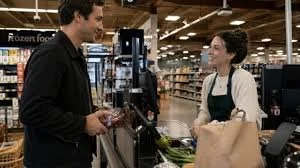
Like them or loathe them they have made themselves a necessity in most parts of the industrialised world. They dominate food zones from fish to bread, market grower veges and with their immense unregulated buying capacity drive out the competitors like independent organic shops, road side stalls, Asian and Indian supermarkets to the boutique food provedores that healthy towns boast when out of the shadow of a big box supermarket. Through their monopolies, duopolies, co-ops, cartels and collectives highlight issues around food security whilst worldwide their owners feature on rich lists[lviii] and they provide us with the majority of the foods linked with diet related diseases. With the highest consumption of these foods in North America and European countries. Yet they expose a fraught dependency upon the customer, with their just in time food system. We experienced the downside of that system from 2020 until Sept 2022. Don’t hold your breathe. With the shortage of fertilisers normally used for growing crops in many countries, which then are normally converted into food, we can expect food shortages in the future, that means empty shelves at the Supermarket[lix]. With the duopoly of Woolworths and Foodstuffs[lx] dominating 90% of the food distributed in New Zealand and Woolworths, Coles, Aldi, Costco and IGA dominating 80% of the same in Australia alternative options come down to small independent businesses and growers who are able to survive in an often-bullying competitive market.
These facts only rub salt in our wounds. When individuals are left with no alternative but to shop there, the excessive use of invasive technology by those who claim to support the local community, farmers, and families reveals a profound disregard for their customers. When access to food comes at the cost of dignity, privacy, and the threat of unlawful discrimination, it’s only natural for frustration to grow. Presently, customers are treated as presumed offenders until proven innocent.
This situation appears strikingly Orwellian. Our shopping experiences and employment have been automated, autotomized for the sake of convenience, while we are exploited for our information to benefit others' profits. Consequently, the act of shopping, particularly for food, transforms into an act of compliance, set within an environment that lacks trust and integrity.

Despite calls for the end of this duopoly on food[lxi] nothing much has changed for the better[lxii]. This Duopoly in New Zealand has enabled these two corporations to become the force they are, and their impunity in treating customers as though they are potential criminals is indicative of a kind of bullying that surely must lose them some love. Their claims that strict security policies protect customers sounds hollow and unconvincing and contradictory[lxiii].
Even if we wish to explore alternative food sources, our choices are often limited, and in some cases, non-existent. The overwhelming dominance of supermarkets in providing our most essential need—food, renders their clandestine tactics of implementing excessive and invasive surveillance on their customers not only objectionable but also unnecessary. This situation is particularly troubling when individuals lack other options for purchasing their preferred food[lxiv] or finding employment. Being filmed and monitored by intrusive facial recognition technology carries the risk of being mistakenly identified as a criminal, while the potential sharing of even the most mundane personal details without consent can create an environment detrimental to our well-being. It is understandable if such circumstances lead to negative behaviours among the public.
While Consumer NZ has rightly pointed out that facial recognition technology (FRT) is driven more by profit than by protection[lxv], and despite numerous press reports and independent analyses, there have been no formal complaints lodged with the Office of the Privacy Commissioner or elsewhere regarding surveillance in supermarkets. However, the links provided below clearly illustrate that Consumer and Civil Liberty Groups, alongside investigative journalists, have raised significant concerns about the deployment of FRT. Although many of us instinctively dislike being filmed without our consent, there seems to be a troubling complacency among the majority of us. [lxvi]
The current control of food distribution in the hands of a few raises serious concerns about food security and the integrity of these food capitalists. Their rollout of FRT should not only be seen as a catastrophic marketing misstep, but also as a blatant disregard for their customers, whom they clearly do not value or trust. Furthermore, this initiative reveals an alarming overreach in surveillance that is not only disproportionate and not fit for lawful purpose, but also anti-social and anti-community. Implementation of this technology within the current legal framework enables the potential for abuse, predation, exploitation, and discrimination by those who claim to be protectors. This situation is dire and calls for non-compliance and urges individuals to take their own initiatives to retain their dignity and their privacy or advocate for privacy legislation that heavily regulates the use of surveillance in essential service environments. The current Privacy Laws including the Bio metric[lxvii] are not going to protect us[lxviii].

Key Requirement of the Privacy Act 2020:
· Informed consent: Retailers must inform customers about the use of surveillance, typically clear signage at the entrance of the store
· Lawful purpose: Personal information can only be collected for lawful purposes that are connected to the retailer’s functions and activities.
· Proportionality: The extent of surveillance must be proportionate to the need for security. Excessive surveillance that infringes on individuals rights may be deemed harassment.
References and links:
[i] Pak and Save, Four Square, New World
[ii] https://www.police.govt.nz/about-us/statistics-and-publications/data-and-statistics/victimisations-police-stations
[iii] Privacy Commissioner releases findings on facial recognition technology trial
[iv] https://www.foodstuffs.co.nz/news-room/facial-recognition
[v] While it is generally lawful to take photographs or videos in public spaces, ethical concerns arise from the "camera creep" of constant surveillance and the potential for viral humiliation. [1, 2]
[vi] https://www.naeyc.org/resources/pubs/yc/mar2015/focus-ethics
[vii] https://blogs.kent.ac.uk/ageofrevolution/riots/the-swing-riots/
[viii] https://www.stuff.co.nz/national/politics/126952320/waihopai-spy-domes-to-be-dismantled-due-to-irrelevance
[ix] https://keywiki.org/Rod_Donald
[x] https://www.stuff.co.nz/the-press/394074/Three-arrested-after-spy-base-attack
[xi] https://www.britannica.com/topic/Big-Brother-fictional-character
[xii] https://thedailyblog.co.nz/gscb-castrates-waihopai-spy-base-as-andrew-little-softens-nz-up-for-mass-surveillance-state/
[xiii] https://www.1news.co.nz/2025/03/02/helen-clark-questions-nzs-continued-involvement-in-five-eyes/
[xiv] https://nzva.org.nz/positions-advocacy/position-statements/position-statement-virtual-fencing-and-virtual-herding-for-cattle/
[xv] Albert Einstein
[xvi] https://thinkbynumbers.org/politics/it-takes-3-5-of-the-population-to-change-the-world
[xvii] Currently, Foodstuffs isn’t getting informed consent either, as addressed in paragraph 235 of the inquiry report, “only 67% of surveyed customers were aware of FRT was being used in their store”.
[xviii] https://www.privacy.org.nz/assets/New-order/Resources-/Publications/Guidance-resources/Biometrics/Biometrics-discussion-document-v2.pdf
[xix] NZ Police, Briscoes Group who ran a trial in March 2026, other interested parties include Farmers, Mitre 10, Michael Hill Jewellers, The Warehouse, One NZ and Spark.
[xx] While locals use palm/face recognition, foreign visitors generally use apps like WeChat Pay or Alipay by linking their international credit cards, though they may face restrictions in accessing the full facial recognition, or "Face Pay,"
[xxi] "Bring out the big guns": To utilize your most powerful tools or, more often, people to win or solve a problem.
[xxii] https://nzccl.org.nz/privacy-commissioners-biometric-code-fails-to-protect-new-zealanders/
[xxiii] https://www.reseller.co.nz/article/2096069/judith-collins-outlines-her-vision-one-app-to-rule-them-all.html
[xxiv] https://www.rnz.co.nz/news/national/501760/govt-facial-recognition-system-to-have-more-tests-after-low-success-rate
[xxv] https://edri.org/our-work/will-the-european-parliament-stand-up-for-our-rights-by-prohibiting-biometric-mass-surveillance-in-the-ai-act/
[xxvi] And then there are the front line workers, although any abuse of anyone is gross and when that happens it needs to be addressed, to use this as reason for mass surveillance after the fact and when those very workers are being uncomfortably surveilled in their jobs only makes the tool of surveillance more insidious. [xxvi] ‘Stop all time wasting’: Woolworths workers tracked and timed under new efficiency crackdown | Woolworths | The Guardian
[xxvii] https://www.telegraph.co.uk/travel/news/china-travel-ban-bad-social-credit-from-planes-trains/
[xxviii] New Zealand government-supported project to develop a New‑Zealand‑specific biometric face dataset and capability for testing and building digital identity services that use facial recognition[xxviii].
[xxix] Algorithms now act as intermediaries in daily life, shaping consumer habits by curating content and ads on platforms like TikTok and Instagram, ultimately accelerating overconsumption
[xxx] https://www.auckland.ac.nz/en/news/2026/02/25/jamie-morton-planetary-solutions-invisible-emissions-behind-ai.html
[xxxi] https://www.theguardian.com/australia-news/2026/mar/13/ai-datacentres-environmental-impacts
[xxxii] Duals, The Physiological impact of constant surveillance can lead to self-censorship and compliance among individuals as they become aware that their actions are being monitored. This creates a culture where privacy is compromised, and individuals may feel pressured to conform to societal norms dictated by those in power.
[xxxiii] Recognito, Oz Liveness and Vix Vizion
[xxxiv] Something smells here. I can smell it. My bald mate can smell it. The Privacy Commissioner can smell it. It smells like crap. Jon Duffy https://www.consumer.org.nz/consumer-rights-and-campaigns/data-and-privacy/facial-recognition-the-supermarkets-are-watching-you#:~:text=Chief%20Executive%20%7C%20Tumu%20Whakarae
[xxxv] https://digitalrightswatch.org.au/campaigns/ban-facial-recognition/
[xxxvi] https://www.nationalretail.org.au/app/uploads/2023/08/The-2022-Australia-and-New-Zealand-Retail-Crime-Study20-1.pdf
[xxxvii] Page 8: https://www.nationalretail.org.au/app/uploads/2023/08/The-2022-Australia-and-New-Zealand-Retail-Crime-Study20-1.pdf Page 8: Exposure to retail crime varies substantially by category, so it is essential to control for this where appropriate. However, some categories had a relatively low response rate, undermining the generalisability of their results. Our approach has been to report on categories with a sample size sufficient to be reasonably confident the results are robust and representative.
[xxxviii] 2022 ANZ Study: NZ has a gold star standard … level of engagement in the retail sector by Police.
[xxxix] 2022 ANZ Study: NZ has a gold star standard … level of engagement in the retail sector by Police.
[xl] Since May 2026 stalking and harassment has been officially recognised as a criminal offence with monitoring and surveillance as one of the types of acts likely to give a person 5 years behind bars.
[xli] Foodstuffs releases privacy assessment for FRT trial in NZ grocery stores | Biometric Update
[xlii] 2022 ANZ Study page 24 graph
[xliii] https://www.nature.com/articles/s41598-024-55879-9
[xliv] https://www.wusf.org/health-news-florida/2022-02-02/a-johns-hopkins-study-says-ill-founded-lockdowns-did-little-to-limit-covid-deaths
[xlv][xlv] The apparent ineffectiveness of lockdowns suggests that New Zealand suffered large economic costs for little benefit in terms of lives saved. https://www.tandfonline.com/doi/full/10.1080/00779954.2020.1844786
[xlvi] https://www.tabin.co.nz/post/self-checkout-vs-cashier
[xlvii] Shrinkage refers to the reduction in size, volume, weight, or value of something. It commonly describes the loss of inventory in retail due to theft, damage, or administrative errors, as well as the physical reduction of materials (like clothing or wood) or a decrease in economic metrics
[xlviii] https://www.bluebookservices.com/study-finds-self-check-has-16x-more-shrink-than-cashier-lanes/
[xlix] https://www.researchgate.net/publication/330214157_SELF-CHECKOUT_IN_RETAIL_MEASURING_THE_LOSS
[l] https://knowledge.wharton.upenn.edu/article/is-self-checkout-a-failed-experiment/
[li] https://newsroom.co.nz/2026/02/23/why-nzs-retail-crime-statistics-rose-so-sharply-and-then-declined/
[lii] including total value of theft (shrink, loss per store on specific items
[liii] Privacy Commission page 45: Beyond a possible deterrence effect, the technology alone does not prevent or reduce incidents of violence, harassment or shoplifting.
[liv] https://www.nzherald.co.nz/nz/woolworths-trials-camera-technology-at-self-service-checkouts-to-prevent-theft/FXZPCKOKSBH3RLM6SPOHJXIVRY/
[lv] Facial Recognition in Supermarkets: It’s legal, but do New Zealanders actually want it?
[lvi] Why NZ’s retail crime statistics rose so sharply… and then declined - Newsroom
[lvii] https://www.foodstuffs.co.nz/news-room/2024/foodstuffs-north-island-records-doubling
[lviii] During the financial year that ended in March 2021, Foodstuffs reported a profit of more than $33 million. This period included the significant impacts of the Covid-19 lockdowns,[lviii] The pre-tax earnings and profit percentage earned by Foodstuffs North and South Island in 2024 remained higher than almost all global competitors including Walmart, Tesco, Kroger, Sainsbury and Carrefour, as reported in the Annual Grocery Report 6 August 2025.
[lix] https://fertilizerfield.com/australia-fertilizer-supply-crisis-2026/
[lx] https://www.consumer.org.nz/articles/suppliers-say-supermarket-duopoly-using-power-to-squeeze-margins
[lxi] https://www.bing.com/ck/a?!&&p=05b549917c1da951967d1521b173d7ffeccf90badc923885ef01d8ef71cec5ccJmltdHM9MTc3ODQ1NzYwMA&ptn=3&ver=2&hsh=4&fclid=288a113e-b402-6704-3a66-03ccb5586684&psq=nz+calls+for+end+of+supermarket+duopoly&u=a1aHR0cHM6Ly93d3cubnpmaXJzdC5uei9uel9maXJzdF93aWxsX2JyZWFrX3VwX3RoZV9zdXBlcm1hcmtldF9kdW9wb2x5
[lxii] https://thespinoff.co.nz/politics/28-04-2026/why-new-zealand-cant-get-a-third-supermarket-chain?vgo_ee=LErvjz9F7SMWq9ChY7u4RwvMqBWZLMm6%2FR3WIpWnSI7KZW43%3AZ5u69cEFND5jF35cDwmkq8ESuojyYKCU
[lxiii] https://thespinoff.co.nz/society/25-03-2024/supermarkets-know-everything-from-your-gender-to-licence-plate-number-do-you-care
[lxiv] https://www.bigissue.com/opinion/supermarket-dominance-disastrous-food-health-planet/
[lxv] Facial recognition: The supermarkets are watching you
[lxvi] Warren Buffet:” First come the innovators, then come the imitators, then come the idiots.”
[lxvii] https://www.privacy.org.nz/focus-areas/frt-inquiry-report/
[lxviii] https://www.privacy.org.nz/tuhono-connect/statements-media-releases/privacy-commissioner-announces-new-rules-for-biometrics/